

Florida’s Fisheries Future: Regional Management for Spotted Seatrout and Strong Seasons for Red Snapper
Fellow Florida anglers,
From the grass flats of the Panhandle to the mangrove shorelines of the Indian River Lagoon and the deep blue waters of the Gulf, fishing isn’t just a pastime in the Sunshine State - it’s a way of life. Whether you’re tossing a topwater for specks at dawn or heading offshore for a cooler full of snapper, Florida’s inshore and reef fisheries define our coastal heritage.
This spring, the Florida Fish and Wildlife Conservation Commission (FWC) took a major step forward with smarter, more localized management for two of our most popular species: spotted seatrout and red snapper.
Spotted Seatrout: A New Era of Regional, Science-Based Management
As of April 1, 2026, spotted seatrout are now managed across nine distinct regional zones instead of a single statewide set of rules. This holistic approach mirrors the successful regional management already in place for redfish and snook.
Each zone - from the Western Panhandle to the Northeast region and the Indian River Lagoon - now has tailored regulations based on local data: spawning potential, fish abundance, habitat health, harmful algal bloom impacts, fishing pressure, and direct input from anglers.
For example:
- Some regions maintain year-round open seasons with conservative bag limits.
- Others include short seasonal closures or adjusted slot limits to protect spawning fish or allow populations to rebuild.
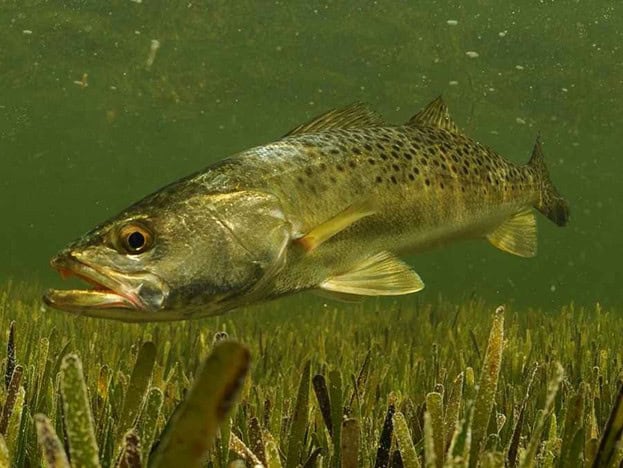
This isn’t blanket regulation - it’s precision conservation. By matching rules to the unique conditions in each part of the state, FWC is protecting the long-term health of the speckled trout fishery while keeping quality fishing opportunities alive for families, kayak anglers, and charter captains alike.
Spotted seatrout are the backbone of Florida’s inshore fishing. They fight hard, taste great, and live right in our backyards. When we manage them responsibly on a regional scale, we ensure that generations of Florida kids can still grow up catching their first fish on a popping cork.
Red Snapper: Longer Seasons and Continued Opportunity Offshore
Out in the Gulf, red snapper fishing is also seeing positive momentum. For federally permitted for-hire vessels (charter and headboats), the 2026 recreational red snapper season runs a full 147 days - opening June 1 and closing October 26.
This extended window gives more Florida families and visitors the chance to experience one of the Gulf’s most iconic reef fish. Red snapper are legendary table fare and a major driver of Florida’s offshore economy.
The FWC will announce the 2026 private recreational red snapper season in state waters this spring, continuing the state’s commitment to balancing conservation with angler access. These seasons are built on robust stock assessments and real-time data, ensuring the fishery remains sustainable for the future.

Why This Matters to Hunter Nation
At Hunter Nation, our mission is to protect America’s outdoor heritage - and that includes both hunting and fishing. Hunters and anglers are natural allies in conservation. We share the same conservation principles: wildlife and fish are a public resource, managed scientifically, and sustained through the active participation of those who enjoy them.
License fees, excise taxes on tackle and boats, and responsible harvest fund habitat restoration, research, and law enforcement. When fisheries are managed well - like Florida’s new regional seatrout plan and strong red snapper seasons - it strengthens the entire outdoor community.
Strong, science-driven rules protect the resource and the traditions we love. That’s why Hunter Nation stands with Florida anglers who want healthy fisheries for their kids and grandkids.
Join the Fight to Keep Florida Wild and Free
Whether you hunt, fish, or do both, your voice and support matter. Become a member of Hunter Nation today and stay connected to the latest on conservation, habitat protection, and outdoor access across the state.
Visit hunternation.org to join, get updates, and help us defend our outdoor way of life.