

How to Fight Back: What Hunters Must Do Now to Stop Oregon’s Hunting Ban Measure
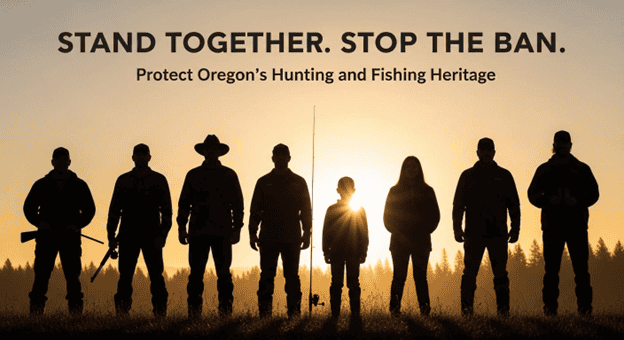
Oregon’s Initiative Petition 28 (IP28), also known as the PEACE Act, represents a calculated effort to dismantle the state’s agricultural and outdoor heritage. The analysis of the text is complete, the hidden impacts on farming and fishing are exposed, and the national strategy behind the campaign is clear. The threat is no longer theoretical; proponents are currently in the field, working to secure the necessary support to place this issue before voters in the November 2026 election.
Knowing the stakes is only the first step. Organization is required to defeat this measure. The opposition is counting on sportsmen and women to be apathetic, assuming that such an extreme proposal could never pass. However, history proves that low voter turnout and confusing ballot language can lead to disastrous consequences for conservation. To protect Oregon's heritage, a disciplined, unified battle plan is essential. Here is exactly what you can do today to stop the hunting ban ballot measure in its tracks.
Win the Conversation: Talk to Non-Hunters
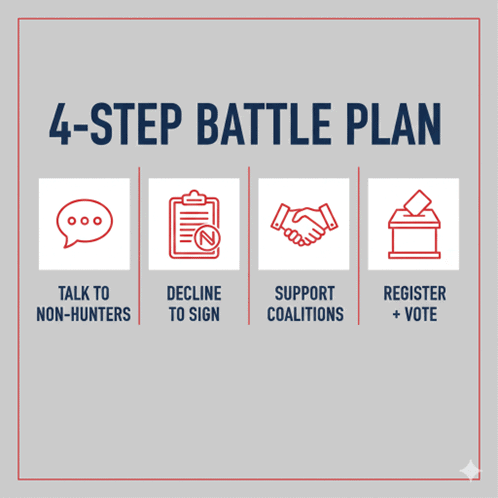
The fate of this proposal will not be decided by hunters alone; there are simply not enough sportsmen to outvote the urban centers without allies. To defeat the proposed hunting and fishing restriction, persuasion of the non-hunting majority is necessary.
When discussing the measure with neighbors or coworkers, avoid getting bogged down in technical wildlife management debates. Instead, focus on the consequences that resonate with everyone: the loss of local food.
Remind them that this initiative would criminalize the production of local meat, dairy, and eggs. Explain that the "farm-to-table" lifestyle they value—buying beef at a farmers market or fishing for salmon on the weekend—would be outlawed. As the Oregon Hunters Association (OHA) points out, the most effective message is highlighting our "self-reliant lifestyle" and the importance of knowing where our food comes from. Frame the issue around food security and consumer choice, not just harvest rights.
The "Decline to Sign" Strategy
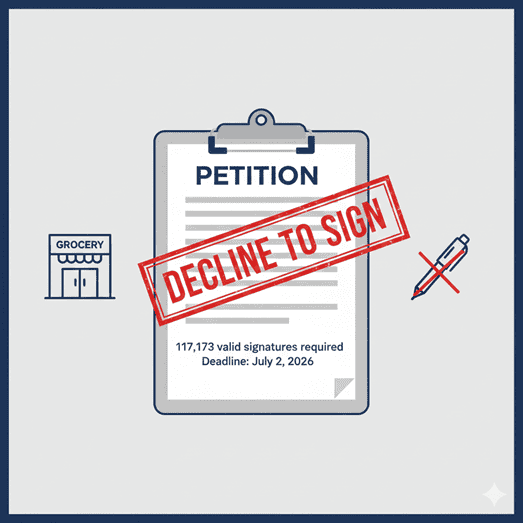
Before this measure can appear on the November ballot, proponents must submit 117,173 valid signatures by July 2, 2026. They are currently using paid signature gatherers to reach this threshold.
If you see signature gatherers outside grocery stores or public events, do not engage in a shouting match. Simply decline to sign. More importantly, politely educate those around you. Many voters sign petitions without reading the fine print, believing they are supporting "animal welfare."
Calmly inform them that this specific petition bans fishing and criminalizes farmers. A polite, factual interaction can prevent dozens of invalid signatures. If the initiative fails to reach the required signature count by the July deadline, the fight ends before it even reaches the ballot box. Every signature denied is a victory for conservation.
Support the Unified Coalitions
This fight is not occurring in isolation, and resources should not be fractured. Two major coalitions have formed to oppose the Oregon hunting ban: one focused on sportsmen’s organizations and another representing farming and ranching communities.
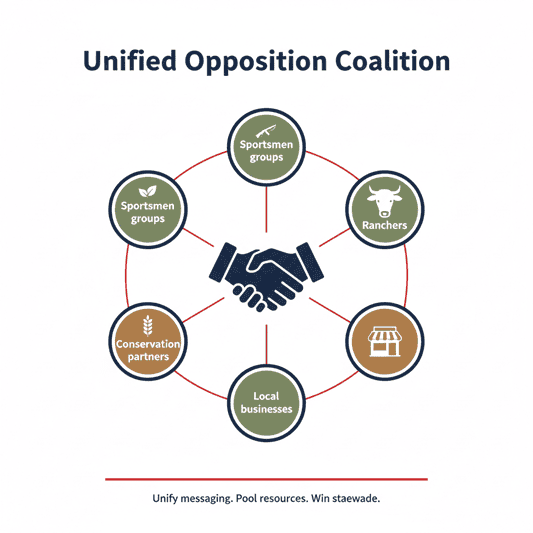
These coalitions include the Oregon Hunters Association, Rocky Mountain Elk Foundation, Backcountry Hunters & Anglers, the Oregon Farm Bureau, and the Oregon Cattlemen’s Association. This unity is our greatest strength.
You can strengthen this alliance by donating to the legal defense funds established by these organizations. Fighting a ballot initiative requires significant resources for legal reviews, media campaigns, and voter outreach. Contributions to the OHA’s "Victory Fund" or similar coalition efforts go directly toward keeping this measure off the ballot.
Get Active at the Local Level
Grassroots activism is how we win. You do not need to be a professional lobbyist to make a difference. Download information cards and "rack cards" from opposition websites and distribute them at your local rod and gun club, archery range, or tackle shop.
Ensure that every sportsman you know is aware of the threat. There is a dangerous misconception that this measure is just "another attempt" that will fail on its own. We must dispel that complacency.
Volunteer to staff information booths at sportsmen's shows or county fairs. Putting a human face on the issue makes it harder for proponents to vilify our community. Show the public that hunters are their neighbors, their mechanics, and their teachers.
The Voter Registration Imperative
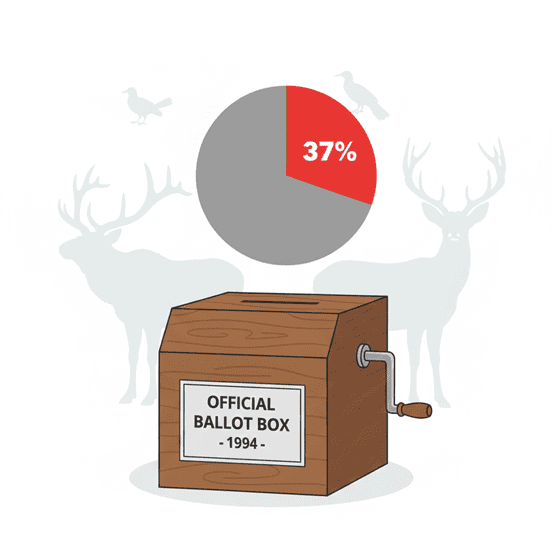
The most tragic outcome would be to lose our heritage because we failed to show up. Oregon has a history of passing restrictive animal measures by razor-thin margins. In 1994, Oregon’s Measure 18—which banned the use of hounds for hunting cougars and bears—passed by a razor-thin margin of just 3%. We are still living with the ecological consequences of that vote today. Do not let apathy decide the future of wildlife management. Ensure your voter registration is up to date immediately. If you have moved recently, update your address. Press hunting partners, family members, and neighbors to check their status as well. A massive, coordinated turnout is required to defeat this initiative decisively. A landslide defeat sends a message to national groups that Oregon is not open for radical experimentation.
Stand with Hunter Nation Foundation
This is the decisive moment for the future of the North American model of conservation in the West. The proponents of the ballot measure are well-funded and motivated, but they do not have the numbers—if we mobilize.
We have the facts, the science, and the passion on our side. By educating our neighbors, declining to sign, supporting our coalitions, and ensuring we vote, we can protect Oregon’s wildlife and our way of life.
Join the Hunter Nation Foundation in this fight. Stay informed, stay active, and let’s hold the line together.