

Oregon’s IP28: The Ballot Measure That Would End Hunting
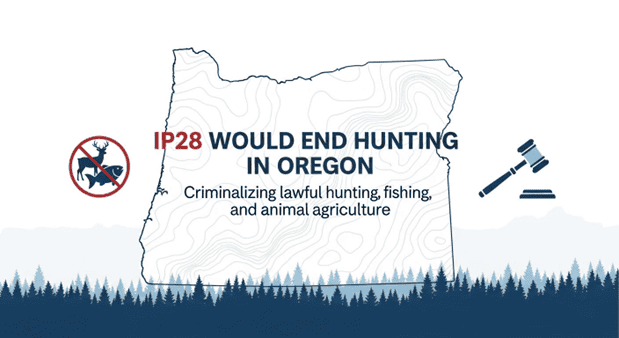
While Oregon hunters are accustomed to changing regulations and season dates, a new initiative circulating for the 2026 ballot could challenge the tradition at a much deeper level. Oregon’s IP28 hunting-ban ballot measure (also known as the PEACE Act) is not a typical conservation proposal or a narrow restriction on specific methods. Instead, it rewrites how Oregon law treats the intentional injury or killing of animals by stripping out long-standing exemptions for “lawful fishing, hunting and trapping” and other established practices. As of early 2026, the campaign reports strong momentum and is moving closer to the signature threshold needed to appear on the November ballot.
How the Oregon Measure Puts Hunting and Fishing at Risk
The mechanism of Oregon’s IP28 hunting-ban ballot measure is simple but devastating. Currently, Oregon Revised Statute 167.335 defines animal abuse broadly as causing physical injury or death to an animal. However, the law explicitly includes exemptions for activities such as “lawful fishing, hunting and trapping” and “good animal husbandry”. These exemptions ensure that legal, regulated hunting is not prosecuted as cruelty.
This hunting-ban ballot measure works by deleting these specific exemptions from the statute. By removing the legal shield for “lawful fishing, hunting and trapping,” the everyday actions of a hunter—harvesting an animal for food—would legally meet the definition of Animal Abuse in the First or Second Degree. This would expose sportsmen and women to Class A or B misdemeanors, and potentially felonies if committed in the presence of a minor. Under the proposed text, the only remaining valid defense for killing an animal is “self-defense” against a threat of immediate harm, effectively outlawing all recreational and subsistence hunting.
Who Gets Hit Next: From Hunters to Homeowners
The legal implications of Oregon’s ballot measure to restrict hunting, fishing, and trapping (IP28) extend well beyond the woods. Because the initiative removes exemptions for causing "physical injury," fishing would also become a criminal act. This applies even to catch-and-release fishing, as the physical trauma caused by a hook would constitute abuse under the revised statute.
Furthermore, the Oregon initiative removes exemptions for the “control of vermin or pests”. This means that setting a trap for a mouse in a pantry or controlling gophers in a garden would legally be considered animal abuse.
This proposed ballot measure also threatens the foundation of wildlife conservation in Oregon. The Oregon Department of Fish and Wildlife (ODFW) relies heavily on the "user-pays" model, where license fees and excise taxes fund habitat management and research. By criminalizing the activities that fund the agency, IP28 would dismantle the state's ability to manage wildlife populations. Proponents have admitted that ODFW would be unable to authorize hunting or sell licenses if the measure passes.
Ranching, Breeding, and Basic Farm Work Under Fire
This Oregon ballot measure also proposes changes to the crime of “sexual assault of an animal.” The revised text expands the definition to include touching the sexual organs of an animal for the purpose of “impregnation.” Critics, including agricultural stakeholders, argue this language could put common breeding and reproductive practices, such as artificial insemination, at legal risk. In addition, the initiative removes “good animal husbandry” language that currently serves as a protective guardrail for standard livestock management practices.
Who’s Behind This Ballot Push and What’s Driving It
The chief petitioner behind Oregon’s IP28 ballot measure (the PEACE Act) is David Michelson, a Portland-based activist who has filed similar iterations of this measure in previous years.
The campaign makes no secret of its ultimate goal: to force a societal transition away from killing animals entirely. Michelson has stated clearly that the campaign intends to "normalize the conversation" about ending all human use of animals, drawing inspiration from the women's suffrage movement to justify repeated attempts until they succeed.

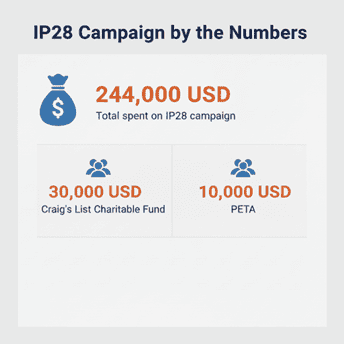
Unlike previous attempts which struggled for resources, the campaign is well-funded. The campaign has received a $10,000 contribution from People for the Ethical Treatment of Animals (PETA) and $30,000 from the Craigslist Charitable Fund. This influx of national money has allowed the campaign to hire paid signature gatherers, shifting this from a fringe local effort to a professional political operation.
How Close They Are to the Ballot
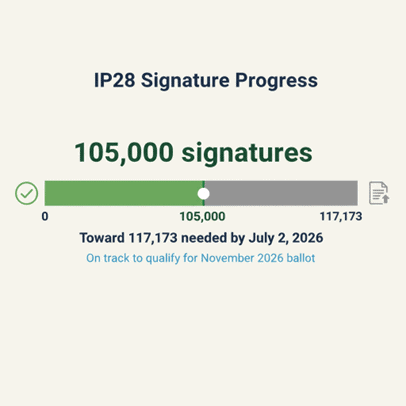
Hunters cannot afford to be complacent. As of early 2026, proponents have collected approximately 105,000 signatures. To qualify for the November 2026 ballot, they must submit 117,173 valid signatures by the deadline of July 2, 2026. With paid gatherers on the ground and months left before the deadline, the campaign is currently on a trajectory to meet the threshold.
The Bottom Line: Oregon Is Being Used as a Test Case
The threat of this Oregon ballot measure is real, and the margin for stopping it is narrowing. It is vital that Oregon’s hunting and conservation community does not dismiss this as “too extreme to happen.” We urge you to share this information with your fellow sportsmen and women. Stay informed and support the Hunter Nation Foundation as we continue this series, which will next cover the devastating economic impacts of this measure and provide concrete steps on how to fight back.