

The Ballot Box and the Northwoods
Why Your Vote is the Most Crucial Piece of Gear You Own
For generations, we’ve understood that the future of hunting is decided in the field, in the duck blinds, and around the campfire. We’ve passed down traditions, taught our kids to shoot straight, and instilled in them a deep respect for the land.
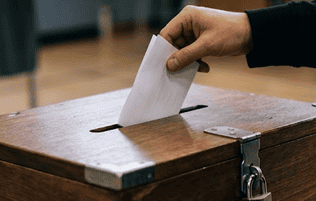
But in the 21st century, the greatest threat to our way of life isn’t a harsh winter or a dwindling deer herd—it’s a politician with a veto pen. Make no mistake, the fight for the future of Wisconsin's outdoor heritage is no longer a matter of conservation science; it is a political battle, and the voting booth is the new front line.
Look no further than the recent legislative session, where a staggering number of bills passed with bipartisan support were wiped out by the governor's veto pen. Among them was a common-sense bill to restore a firm, numeric population goal for wolves in Wisconsin.
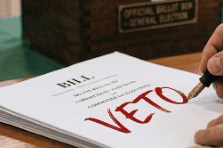
Hunters, farmers, and rural communities, the people who actually live with the consequences of an unchecked wolf population, spoke up, and their elected representatives listened. The bill passed both the Assembly and the Senate, only to be struck down by a governor who seems more interested in catering to urban anti-hunting groups than in sound, scientific wildlife management.
This isn’t just about wolves. It’s about a fundamental disconnect between the will of the people and the actions of the executive branch. When a single person can nullify the work of the entire legislature, it’s a slap in the face to every citizen who took the time to contact their representatives and make their voice heard. This concentration of power threatens our democratic process, and it’s a clear sign that if we want to protect our hunting heritage, we have to start by electing people who will stand with us.
Actionable Intelligence; What to Know to Help
If this is going to change, it will not happen through complaints. It will happen through targeted action.
First, know the players. Governor Tony Evers has demonstrated a consistent willingness to veto wildlife policy backed by hunters and rural communities. That is not theoretical. That is a record. Second, understand the battlefield. Key legislative races across Wisconsin will determine whether future bills protecting hunting and science-based wildlife management can survive both chambers and withstand executive pressure. These races are where this fight will be decided.

Third, stop voting blind. Voters should be actively reviewing candidate positions, not just party labels. Look for candidates who publicly support:
- Science-based wildlife population management with measurable benchmarks
- Hunting as a primary conservation tool
- Legislative authority over unelected regulatory influence
And just as important, identify who does not. If a candidate aligns with activist-driven management models that prioritize ideology over outcomes, that is a direct threat to hunting’s future.
Your Voter Checklist: How to Vet a Candidate
This fall when you step into the voting booth you’re choosing a direction for our state. You’re deciding whether we continue down a path of executive overreach and political gamesmanship, or whether we return to the constitutional principles that have made our nation strong. Here’s what to look for in a candidate:
Second Amendment Rights: This is non-negotiable. A candidate’s stance on the Second Amendment is a clear indicator of their respect for individual liberty. Look at their voting record, not just their campaign promises.
Have they consistently voted to protect our right to keep and bear arms, or have they supported so-called "common sense" gun control measures that are nothing more than a slippery slope to confiscation?
Constitutional Integrity: A candidate who respects the Constitution understands that the government’s power is limited. They believe in the separation of powers and the importance of checks and balances.
Do they have a record of upholding the Constitution, or do they see it as an obstacle to be overcome? A candidate who is willing to bypass the legislature and rule by executive order is not a friend to freedom.
Outdoor Heritage: Does the candidate understand that hunting is conservation? Do they recognize the vital role that hunters and anglers play in funding wildlife management through license fees and excise taxes?
Or do they see our outdoor traditions as something to be tolerated, at best, and eventually eliminated? Look for candidates who will fight to protect public access, promote science-based wildlife management, and stand up to the anti-hunting extremists who want to turn our Northwoods into a petting zoo.
The Bottom Line
The fight for our outdoor heritage is a long game, and we can’t afford to sit on the sidelines. We have to be as strategic in the voting booth as we are in the deer stand. This election, let’s send a clear message to Madison: the hunters of Wisconsin are watching, and we vote.