

Wisconsin’s Wolf Issue: Beyond Predator Management
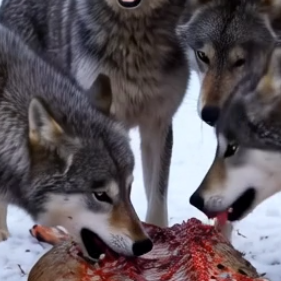
You’ve seen the headlines and the protest signs, driven by big-city animal rights groups. They paint a simple picture of good versus evil, using emotional theater to demand emergency rules that trample our state’s legislative process. They talk a lot about wolves, but they’re missing the real story playing out in our woods and on our farms. It’s time we, the hunters, reclaim the narrative and talk about the biological reality of predator management.
The fight over the gray wolf's federal protection is a political tug-of-war, but on the ground, a much more adaptable predator is making its presence felt. We’re talking about the coyote. While activists focus on wolves, seasoned hunters and farmers know the real threat to our deer herds and livestock is the resilient, ever-present coyote. Managing their population isn’t about senseless killing; it’s about being effective Humane Conservationists.

The Unstoppable Coyote? Not If You Understand the Science
Here’s a hard truth that might surprise you: simply shooting every coyote you see might not solve the problem. In fact, it can make it worse. Scientists have a term for it: compensatory reproduction.
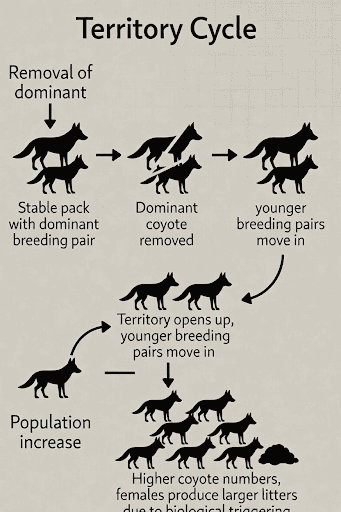
When you remove a dominant coyote from its territory, you open the door for multiple younger breeding pairs to move in. The result? More coyotes, not fewer. Research shows that when coyote packs are broken up, females are biologically triggered to have larger litters.
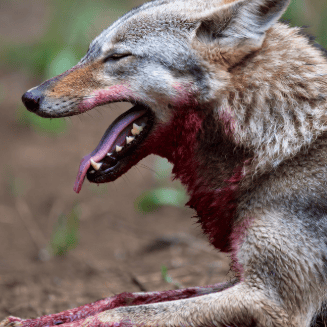
This coyote population resilience is a game-changer. It means that random, unmanaged hunting is ineffective. True conservation requires a strategy, one based on science and an intimate knowledge of the land—the kind of knowledge a hunter has. It’s not about wiping them out; it’s about managing their impact intelligently.
Protecting Our Fawns, Securing Our Future Hunts
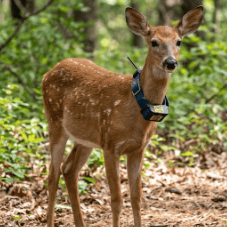
For every deer hunter who has waited patiently for the next generation of bucks, this should hit home: coyotes are the number one killer of whitetail fawns. Don’t take our word for it. A Wisconsin DNR fawn study put collars on young deer and found that coyotes were the leading cause of death by a long shot.
The numbers are stark. Studies from across the country show that coyotes can be responsible for over half of all fawn deaths in a given area. One study even showed that coyote removal could double the fawn survival rate. This isn’t about emotion; it’s simple math. If we want healthy deer populations and quality hunting opportunities for our kids and grandkids, we have a responsibility to manage the primary predator that is killing off the future of our herd.
Standing with Our Farmers and Ranchers
The impact doesn’t stop at the edge of the woods. For our friends and neighbors who make their living off the land, coyotes are a direct threat to their bottom line. USDA statistics don’t lie: coyotes are the top predator for calves in the United States. In Wisconsin, they account for a significant percentage of all predator-related deaths for cattle and are the primary killers of sheep and lambs nationwide.
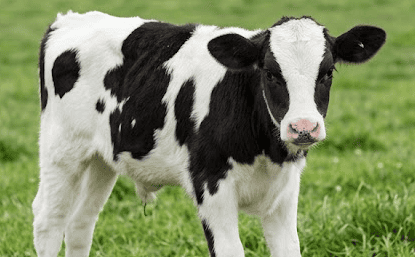
While the overall percentage of livestock losses to predation is lower than losses from things like disease or bad weather, every single calf or lamb killed by a coyote is a preventable loss. It’s money out of a farmer’s pocket. When hunters help manage coyote populations, we are not only balancing the ecosystem, we are protecting the livelihoods of our rural communities.
Hunters are the first line of defense in a balanced ecosystem. We are the boots on the ground, the eyes and ears in the woods. We understand the complex relationship between predator and prey because we are an active part of it. It’s time we stood tall, armed with the facts, and proudly declared our role as the true, effective, and Humane Conservationists of Wisconsin.
For media inquiries, contact: