
Hunter Nation – 2026 May Newsletter

🏹 Hunter Nation Monthly Update: State Chapter News, Conservation Fights & More.
From the fight to delist the gray wolf to grassroots action across the country, see what Hunter Nation chapters are doing to protect hunting, conservation, and the outdoor way of life.

Read More

Hunter Nation Webinar Highlights Growing Demand to Delist the Gray Wolf

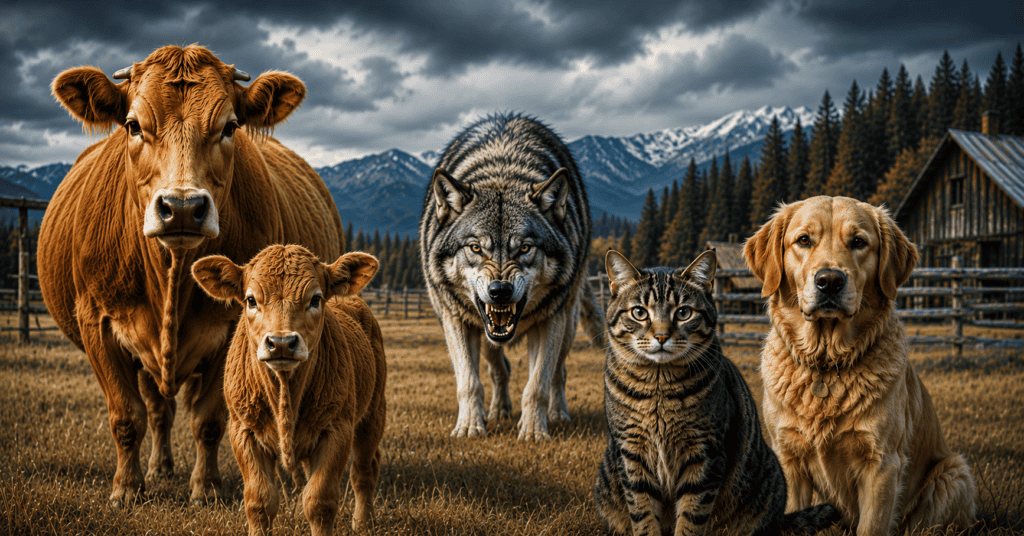
Hunter Nation is pushing for gray wolf delisting and the return of wildlife management authority to the states. Unmanaged wolf populations are impacting deer and elk herds, livestock operations, pets, and rural communities across the Midwest and West. Conservation depends on balanced, science-based predator management that protects both wildlife and hunting traditions. Through legislation, advocacy, and public engagement, Hunter Nation continues fighting to ensure rural Americans and state wildlife professionals—not activist lawsuits—shape the future of wolf management.

Read More

2026 Georgia Legislative Session Recap: Key Outcomes for Hunters

Georgia hunters saw major legislative victories in 2026 with new laws expanding feral hog control, strengthening hunter education, increasing conservation funding, and protecting firearm rights. These measures improve access, support wildlife management, and reinforce outdoor traditions across the state. While some proposals failed to advance, the session delivered meaningful progress for sportsmen and conservation efforts. The outcomes highlight the growing importance of staying engaged in policy decisions that shape Georgia’s hunting future.

Read More

Hunter Nation and Western Justice Delist the Wolf Coalition

Hunter Nation partners with Western Justice to form an undeniable alliance to Delist the Gray Wolf
First-of-its-Kind Coalition Formed to Secure the Passage of Federal Gray Wolf Delisting Legislation. With the Coalition already representing over 2 million Americans Nationwide, this partnership should grow the coalition to epic proportions.

Mission, KS — Hunter Nation is announcing the partnership of the Coalition to Delist the Gray Wolf, an alliance of national and state organizations committed to securing the removal of the gray wolf from the federal Endangered Species Act (ESA), without judicial review, and restoring wildlife management authority to the states. These organizations represent millions of hunters, ranchers, sportsmen, farmers, conservationists, and rural families.

Read More

Hunter Nation Applauds Advancement of McCormick Bill, Championing a Strategic Pause on Restrictive CWD Regulations in Louisiana

A major step forward in Louisiana aims to pause restrictive CWD regulations and restore balance to wildlife management. HCR 4 introduces an 18-month window to reassess policies that have placed heavy burdens on hunters through rigid thresholds and declining participation. By prioritizing collaboration with hunters and landowners, the effort seeks more practical, field-driven solutions. This shift emphasizes that effective conservation depends on those closest to the land having a voice in the process.

Read More

A Win for Hunters: Anti-Dog Language Stripped from 2026 Farm Bill

Hunting traditions secured a key victory as harmful language targeting working dogs was removed from the 2026 Farm Bill. Earlier provisions threatened training methods, field trials, and hound hunting nationwide. Through strong advocacy and unified pressure, those risks were eliminated in committee. While this marks significant progress, the legislative process continues, and vigilance remains critical. Protecting hunting dogs and the traditions they represent depends on continued engagement and ensuring these protections remain intact through final passage.

Read More

Louisiana Hunters Score a Win as McCormick CWD Resolution Advances

Louisiana hunters are gaining momentum as HCR 4 advances, offering a pause on strict CWD regulations driven by rigid thresholds. The bill creates space to reassess policies that have impacted participation and hunting practices, shifting focus back to real-world conditions. By slowing the system and encouraging input from hunters and landowners, it opens the door for more balanced, effective wildlife management rooted in experience rather than automatic triggers.

Read More