
Hunter Nation – 2026 May Newsletter

🏹 Hunter Nation Monthly Update: State Chapter News, Conservation Fights & More.
From the fight to delist the gray wolf to grassroots action across the country, see what Hunter Nation chapters are doing to protect hunting, conservation, and the outdoor way of life.

Read More

Deconstructing the Wisconsin DNR’s 2023 Wolf Management Plan

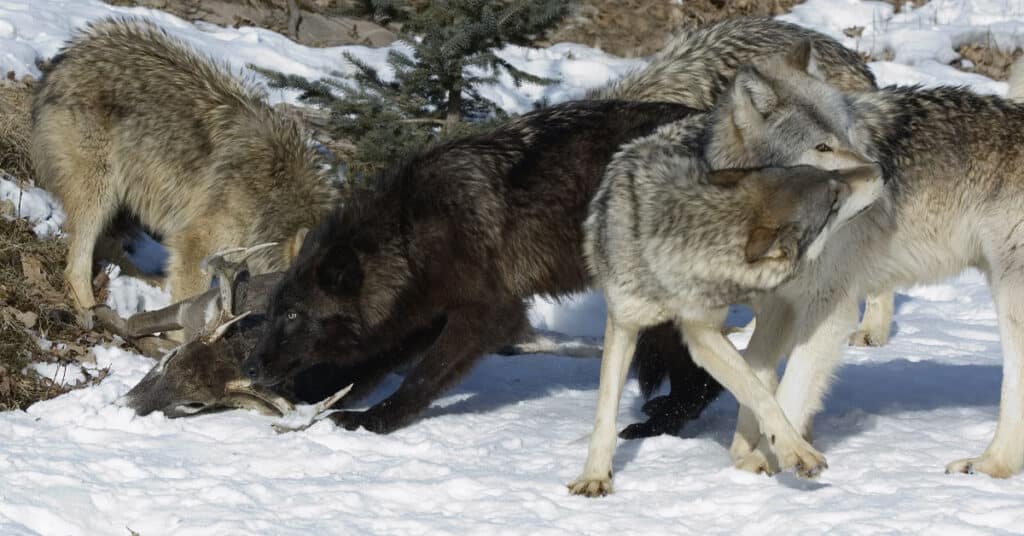
Wisconsin’s 2023 wolf management plan replaces clear population limits with a vague framework that shifts control away from science and toward bureaucracy and social pressures. Without firm accountability, predator numbers risk expanding beyond sustainable levels, impacting deer herds and rural communities. Critics argue this approach sidelines those closest to the land while elevating political influence. Protecting wildlife management now requires stronger advocacy to restore balance, transparency, and state-driven conservation rooted in real-world outcomes.

Read More

The Secret War on Wisconsin’s Hunters and How We Fight Back

A growing battle over wildlife policy in Wisconsin is putting hunters at the center of political decisions that reshape conservation. Long-standing science-based management is being replaced with vague frameworks that limit accountability and restrict hunting opportunities. From wolf population control to predator management, activists and policymakers are driving changes that impact rural communities. The path forward demands action—speaking out, showing up, and uniting to ensure hunting remains a key part of conservation.

Read More

Wisconsin’s Wolf Issue: Beyond Predator Management

Wisconsin’s wolf debate is about more than headlines and activist pressure—it is about real predator management, healthy deer herds, and protecting rural livelihoods. While public attention stays fixed on wolves, hunters and farmers know coyotes are a major threat to fawn survival, livestock, and the future of hunting. True conservation is not driven by emotion, but by science, strategy, and the boots-on-the-ground role hunters play in maintaining balance across Wisconsin’s landscape.

Read More

Hunter Nation Hosts Sportsmen Town Hall in Pound, Wisconsin

Hunter Nation recently hosted a Sportsmen Town Hall in Pound, Wisconsin, bringing together hunters, conservationists, and policymakers for an important discussion about the future of hunting and wildlife management. Held at Equity Hall Bar & Grill, the event allowed local sportsmen to share their perspectives directly with elected officials and community leaders. Discussions focused on conservation policy, responsible wildlife management, and the growing political influence of hunters as a voting bloc. With strong participation from state and local leaders, the town hall highlighted the importance of grassroots engagement and collaboration. Events like this help ensure that the voices of Wisconsin’s outdoor community remain central to protecting hunting traditions for future generations.

Read More

Rebuilding the Base: Turning Shooters Into Hunters to Save the Tradition

Hunter participation may be stabilizing, but long-term growth depends on a new approach. Traditional youth-focused efforts are not bringing in enough new hunters. The real opportunity lies at the shooting range, where millions already own firearms but have never hunted. By focusing on adult recruitment, mentorship, and practical skill-building, the path from shooter to hunter becomes clear. Rebuilding the tradition will require intentional effort, turning interest into action and ensuring the future of conservation.

Read More

The Conservation Funding Crisis: How Fewer Hunters Threatens Wildlife Management

America’s conservation system relies on hunters and anglers, but declining participation is putting that model at risk. While excise taxes still generate strong funding, most now comes from non-hunting shooters, creating both a gap and an opportunity. Fewer hunters mean reduced revenue, weaker wildlife management, and economic strain on rural communities. Sustaining conservation will require strengthening participation, supporting license sales, and turning financial contributors into active hunters to keep the system working.

Read More

The Empty Stand: New Projections Show a Crisis in Hunter Replacement

A growing decline in hunter participation signals a serious threat to wildlife management and conservation. Long before aging demographics became the focus, recruitment has failed to keep pace, shrinking hunters’ role nationwide. As numbers fall, so does the ability to manage wildlife populations, leading to increasing ecological and agricultural challenges. This is more than a generational shift—it’s a structural issue. Reversing the trend will require expanding recruitment beyond tradition and actively bringing new participants into the field.

Read More