
Hunter Nation Applauds USDA’s Relocation of Forest Service Headquarters to Utah, a Move to Bring Management Closer to the People

A major decision to relocate the U.S. Forest Service headquarters to Utah brings leadership closer to the lands and communities it serves. With most forest acreage in the West, this move strengthens local decision-making, supports hunters and ranchers, and improves conservation outcomes. Grounded in practical experience rather than distant oversight, it reflects a commitment to responsible land management, rural communities, and preserving America’s outdoor heritage for future generations.

Read More

A Win for the West: Why the Forest Service Move to Utah is a Game-Changer for Hunters

A major shift is underway as the Forest Service moves its headquarters to Utah, placing decision-makers closer to the lands they manage. For too long, policies came from distant offices with little connection to real conditions. This change means stronger local collaboration, less bureaucracy, and more practical conservation. Healthier forests will support wildlife and improve hunting opportunities. It’s a return to common sense, putting stewardship back in the hands of those who know the land best.

Read More

They Fly Flags of Tyranny, We Pledge Allegiance to Old Glory

Across the country, “No Kings” protests claim to resist tyranny, yet the symbols on display tell a different story. Pride flags and communist imagery fill the crowd, far removed from the sacrifices that built this nation. A lack of historical understanding reveals deeper failures in education and civic awareness. True freedom was earned through blood and sacrifice, not slogans. It demands responsibility, respect, and clarity about what liberty really means.

Read More

TSA Funding Secured as Travel Surges for Spring Season, Offering Stability for American Families

As spring travel ramps up, restored TSA funding ensures stability for families, hunters, and travelers nationwide. Reliable airport operations are essential during peak seasons, supporting everything from hunting trips to holiday gatherings. With increased demand, a fully staffed and supported TSA workforce helps prevent delays and maintains safety across the system. Keeping travel running smoothly allows Americans to focus on what matters most—time outdoors, family traditions, and reaching their destinations without disruption.

Read More

What the Utah Wolf Incident Reveals About State Wildlife Management

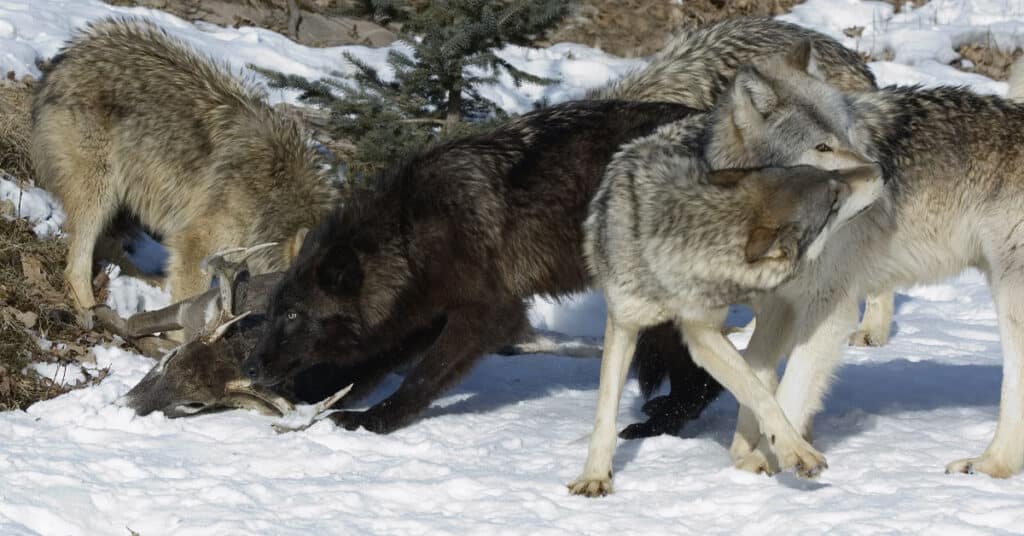
In northern Utah, the removal of three wolves highlights the critical role of state authority in wildlife management. Bound by strict geographic and legal distinctions, officials acted to prevent predator expansion and protect livestock and game populations. This moment underscores the importance of local control over distant federal oversight. When states are empowered to act, they can balance conservation with the needs of rural communities, ensuring wildlife management remains practical, responsive, and grounded in real conditions.

Read More

Wisconsin’s Wolf Issue: Beyond Predator Management

Wisconsin’s wolf debate is about more than headlines and activist pressure—it is about real predator management, healthy deer herds, and protecting rural livelihoods. While public attention stays fixed on wolves, hunters and farmers know coyotes are a major threat to fawn survival, livestock, and the future of hunting. True conservation is not driven by emotion, but by science, strategy, and the boots-on-the-ground role hunters play in maintaining balance across Wisconsin’s landscape.

Read More

Hunter Nation Praises Department of Interior for Unleashing Hunters on Frontlines of Conservation in Nation’s Parks

Hunter Nation applauds a new Department of the Interior initiative empowering skilled hunters to take an active role in conservation across select national parks. By targeting destructive invasive species like feral hogs and nutria, this program places experienced volunteers on the frontlines of protecting wetlands, wildlife, and sensitive habitats. Leaders say the effort highlights the vital role hunters play as stewards of the land and marks a significant step toward more effective, hands-on conservation nationwide.

Read More

Hunting and Conservation: A Closer Look at Opportunities in America’s National Parks

Hunting in America’s National Parks isn’t as restricted as many believe. While iconic parks remain off-limits, millions of acres across the National Park System are open to regulated hunting. These opportunities play a vital role in wildlife management, habitat protection, and conservation funding. By working alongside state agencies and enforcing strict guidelines, the National Park Service ensures responsible access—proving that conservation and hunting can successfully coexist on our nation’s public lands.

Read More

Hunter Nation Applauds House Leadership on H.R. 556, Urges Swift Passage to Protect American Hunters and Conservation Funding

Hunter Nation is urging swift passage of H.R. 556, the Protecting Access for Hunters and Anglers Act, as it gains momentum in the U.S. House. The organization praised House leadership for advancing the bill, which would block federal agencies from imposing broad bans on traditional lead ammunition and fishing tackle without scientific justification and state approval. Leaders emphasized the importance of protecting hunters’ access to public lands and preserving conservation funding generated through the Pittman-Robertson Act. As the legislation moves forward, Hunter Nation is calling on lawmakers to defend hunting traditions, state authority, and the future of America’s conservation model.

Read More